Will Wireless Power Replace High-Voltage Harness in Future EVs
The rapid growth of electric vehicles (EVs), renewable energy systems and advanced industrial equipment has significantly increased the demand for high voltage wiring harnesses.
Unlike conventional low-voltage harnesses, high-voltage systems operate in 300V to 1000V+ ranges, making design, safety and reliability extremely critical.
This blog explores the major design challenges in high-voltage wiring harnesses and how manufacturers can address them.
What is a High Voltage Wiring Harness?
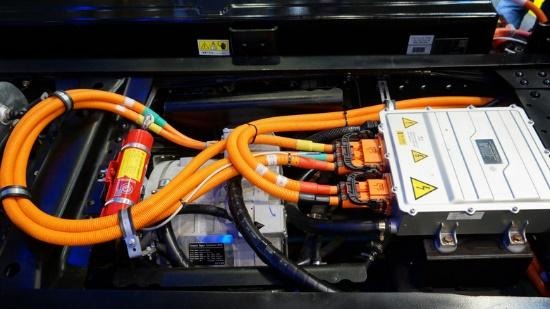
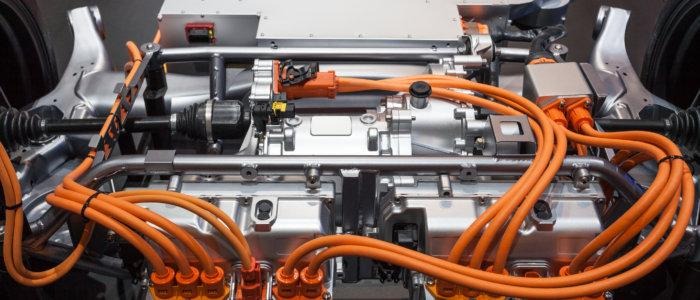
A high voltage wiring harness is an integrated cable assembly designed to transmit high electrical power safely between components, such as:
- Battery packs
- Inverters
- Motors
- On-board chargers
- Power distribution units
These harnesses must handle high current loads, thermal stress, electromagnetic interference and harsh environments.
Key Design Challenges
1. Electrical Safety & Insulation Requirements
One of the biggest challenges is ensuring complete electrical insulation and user safety.
Challenges:
- Risk of short circuits and arcing
- Maintaining creepage and clearance distances
- Insulation degradation over time
- Protection during crash or vibration events
Design Focus:
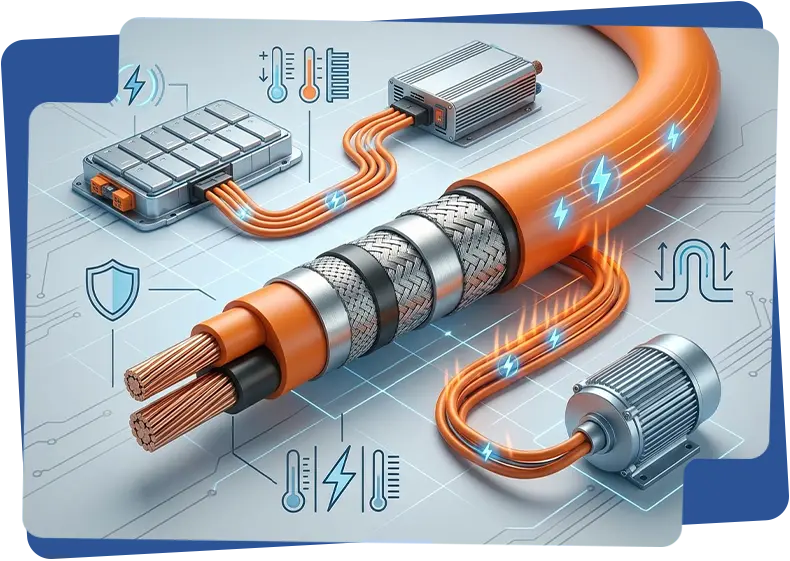
- Double insulation or shielding layers
- High-grade insulation materials (XLPE, silicone etc.)
- Touch-safe connector design
- Compliance with global safety standards
2. Thermal Management
High current flow generates significant heat, which can impact performance and lifespan.
Challenges:
- Heat build-up in compact EV architectures
- Insulation melting risks
- Temperature cycling fatigue
Design Focus:
- Optimised cable sizing
- Heat-resistant materials
- Strategic routing away from heat sources
- Integration with vehicle cooling systems
3. Electromagnetic Interference (EMI) & Shielding
High-voltage switching systems, such as inverters, create electromagnetic noise.
Challenges:
- Signal disturbance in nearby sensors
- Communication failure in vehicle networks
- Regulatory compliance issues
Design Focus:
- Shielded cables
- Proper grounding strategy
- Twisted pair routing
- Separation from signal harnesses
4. Mechanical Routing & Packaging Constraints
Modern EV platforms demand compact and lightweight designs.
Challenges:
- Limited space in battery compartments
- Sharp bends cause conductor fatigue
- Protection from abrasion and vibration
Design Focus:
- Flexible cable architecture
- Protective conduits and clamps
- Modular harness layout
- Lightweight material selection
5. Environmental Protection
High-voltage harnesses must perform reliably in extreme real-world conditions.
Challenges:
- Water ingress
- Chemical exposure (coolants, oils)
- Dust and debris
- UV exposure
Design Focus:
- IP-rated connectors
- Sealed over-moulding
- Corrosion-resistant terminals
- Automotive-grade validation testing
6. Compliance & Testing Complexity
High-voltage harnesses must meet strict automotive and industrial standards.
Key Requirements:
- High voltage insulation testing
- Dielectric withstand testing
- Thermal cycling validation
- Vibration and durability testing
This increases design time, cost and engineering precision requirements.
Future Trends in High Voltage Harness Design
- Increase in 800V EV architectures
- Growing use of aluminium cables for weight reduction
- Integration of smart sensors for temperature monitoring
- Modular harness platforms for multiple vehicle variants
- Automation in harness manufacturing for consistency
Conclusion
Designing high voltage wiring harnesses requires a balanced approach between safety, performance, reliability and manufacturability.
With EV adoption accelerating globally, robust harness engineering and precision assembly capabilities will play a crucial role in enabling next-generation mobility and power systems.